
A long-standing customer asks a simple question on a quarterly review call. "You look after our IT. Are you also looking after our security?" For many MSP owners, that question lands awkwardly because the honest answer sits somewhere between yes and no. You handle patching, backups and antivirus, but you don't monitor threats overnight, you don't own incident response, and nobody has agreed in writing who calls whom when credentials leak.
Where Most MSPs Sit on the Security Question
That call is where the MSP vs MSSP debate starts. It doesn't start with a vendor pitch for a security operations centre. It starts with a customer who assumes you've already covered security, an insurer asking for evidence, or a competitor offering monitoring as part of a bundle you can't match.
You have three real options. Stay focused on IT operations and refer security elsewhere. Build MSSP capability properly, with analysts, tooling and round the clock coverage. Or run a hybrid model, where you own defined security services and escalate complex incidents to a specialist partner.
Why the Binary Framing Fails
Most comparisons force a binary choice. That framing doesn't help UK providers because it ignores where responsibility sits day to day. Who monitors an alert at midnight? Who validates an exposed password? Who tells the customer, preserves evidence and closes the ticket with proof?
If you can't answer those questions clearly, the label on your website doesn't matter. Customers don't buy labels. They buy ownership, response times and evidence.
Practical rule: Don't decide whether to call yourself an MSSP. Decide which security responsibilities you'll own, which you'll partner for, and which you'll explicitly exclude in your contracts.
The commercial pressure is also easy to understate. Security is moving into the baseline expectation for a managed service, alongside support, cloud administration and connectivity. Providers who treat it as an optional extra risk losing the wider contract when a customer consolidates suppliers.
That doesn't mean every MSP should build a SOC. For most small and mid-sized providers, the sensible route is narrower. Add a repeatable security layer you can deliver consistently, price it as a monthly subscription, and define the escalation path before an incident forces the conversation.
Use four tests as you read the rest of this guide. Check your skills, your coverage hours, your contractual accountability and your customer requirements. If those four don't support a full MSSP build, don't pretend otherwise. Build the hybrid properly instead.
Defining MSP and MSSP in Operational Terms
An MSP owns IT administration. That usually means endpoint support, patching, cloud administration, backup, connectivity and service desk work under a service level agreement. Success looks like uptime, fast ticket closure and predictable systems.
An MSSP owns security outcomes. That means continuous monitoring, centralised log collection, threat detection and response, vulnerability management, incident escalation, identity controls and security reporting. Success looks like detection speed, containment quality and evidence you can hand to an insurer or auditor.

The scale of the UK market explains why both models coexist. A government commissioned study estimated 11,492 active managed service providers generating around £52.6 billion in annual revenue, with 22% performing cybersecurity activities and 55% carrying out cloud-related activities, set out in the UK government research on managed service providers. Most providers still lead with IT and cloud work, not specialist security.
The Dividing Line Is Ownership
Tooling doesn't draw the line. Many MSPs and MSSPs use overlapping products for endpoints, email and identity. The difference is who is accountable when something looks wrong.
- MSP ownership: Restores service, resets access, patches systems and closes support tickets.
- MSSP ownership: Triages alerts, investigates scope, contains threats, preserves logs and reports on risk.
- Hybrid ownership: Splits those duties by contract, with named escalation between the MSP and a specialist.
If you're clarifying your base offer first, this managed IT services definition for resellers helps separate core IT administration from security services you might add later. For providers evaluating partnership structures rather than building everything internally, a managed security provider partnership guide is also useful for framing roles and accountability.
My recommendation is direct. Don't call a service managed security if nobody owns triage, notification and closure evidence. That's a tool resale, not a managed service. Define ownership first, then choose the technology to support it.
Seven Criteria That Actually Separate the Models
Feature lists won't help you decide. Use these seven criteria to score your current position. If you are weak on three or more, you are not ready to sell yourself as an MSSP, and you should use a partner model until you close those gaps.
UK cyber authorities set a clear operational baseline. They recommend providers enforce multi-factor authentication on all accounts accessing customer environments, retain important logs for at least six months, and document incident accountability, controls described in the NCSC joint advisory on protecting MSPs and their customers. If you can't meet that baseline, you don't have an MSSP grade operating model yet.
How the Models Compare
| Criterion | Typical MSP | Typical MSSP | Hybrid MSP plus partner |
|---|---|---|---|
| Security ownership | Supports IT systems, security implied | Named owner for detection and response | MSP owns defined services, partner owns escalation |
| Response commitments | First response and fix time | Triage, acknowledgement and containment times | Notification time for alerts, partner SLA for incidents |
| Tooling depth | Endpoint, patching, backup tools | SIEM, log management, threat intelligence | Focused tooling for exposure and identity, partner tools for investigation |
| Skills and certification | Generalist engineers | Security analysts, recognised assurance | Trained MSP staff plus specialist partner expertise |
| Pricing structure | Per user or per device support | Higher retainer for monitoring and response | Monthly add-on subscription to the IT contract |
| Customer expectation | Keep systems running | Reduce cyber risk and prove it | Visible security value without enterprise cost |
| Contractual accountability | Uptime and support duties | Monitoring, notification and reporting duties | Written split of duties, evidence and exclusions |
What to Score First
Start with response commitments and contractual accountability. An MSP can promise to answer the phone quickly. An MSSP must promise how quickly an analyst reviews an alert, how the customer is notified and what evidence closes the case. Those are harder promises, and they carry liability.
Next, assess identity controls. Privileged accounts are the bridge between your business and every customer environment. MFA coverage, account audits and removal of unused accounts aren't administrative details. They're the controls that stop one compromised login becoming a multi-customer incident.
If your reporting only shows tickets closed and uptime, you're reporting as an MSP. Security reporting must also show coverage, alerts triaged, remediation completed and unresolved exposure.
Price last. Too many providers set a monthly figure before they've defined the work behind it. Define the workflow, staff it realistically, then price the subscription so it survives a bad month of incidents.
What It Costs to Cross the Line
Building an MSSP internally costs far more than buying security tooling. The licence invoice is the smallest problem. The real cost is people, coverage and retention.
You need analysts who can triage alerts, investigate identity misuse and speak clearly to customers during an incident. You need them available when incidents happen, not only during office hours. You also need supervision, process design, tool integration and reporting that stands up to scrutiny.
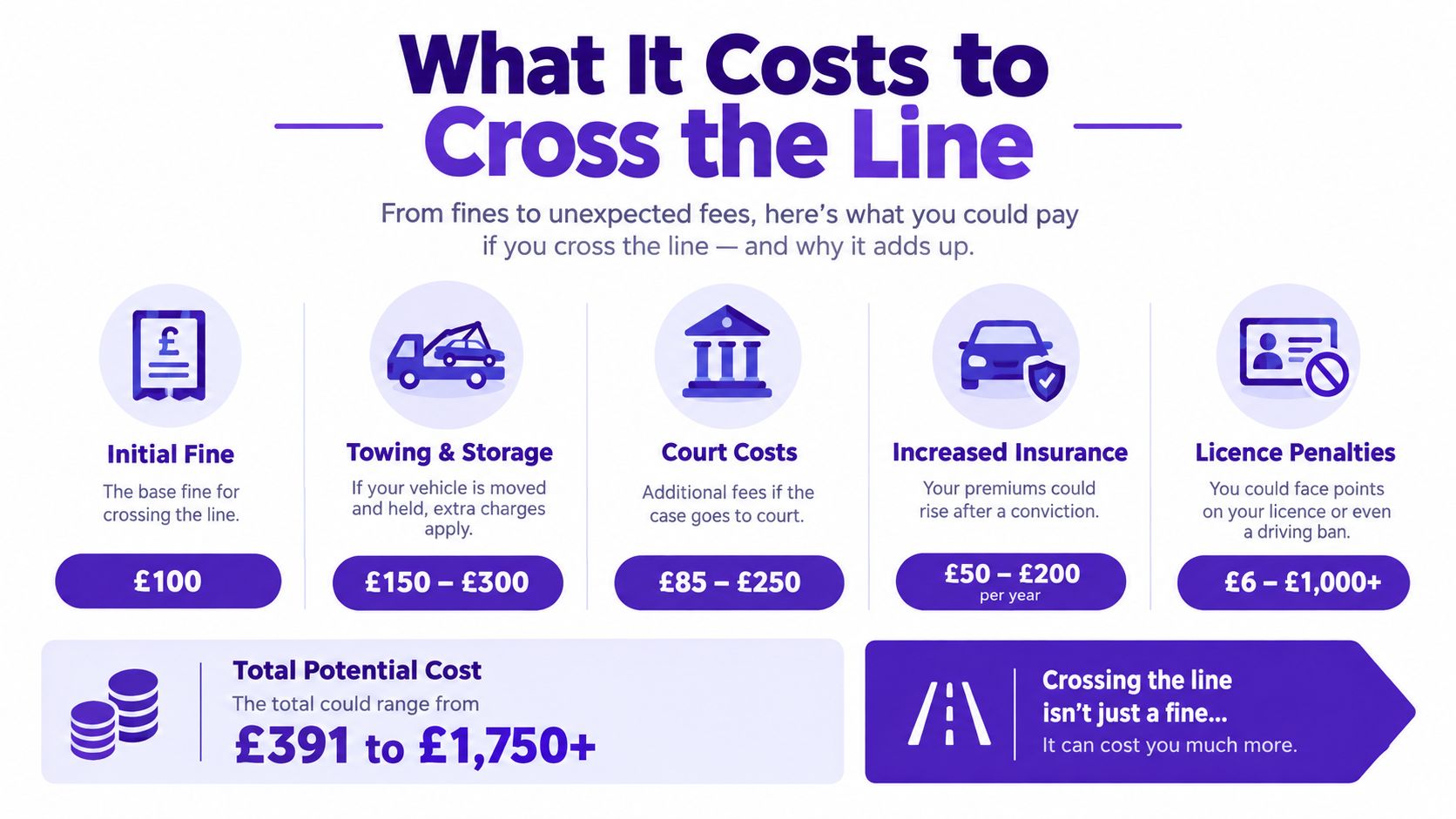
The UK skills position makes that build harder. Verified UK data points to a workforce shortfall and widespread basic skills gaps among businesses, which means smaller providers compete for scarce specialist staff against larger firms with deeper salary bands. Hiring one analyst doesn't create a service. Sickness, holidays and resignation quickly expose a one person SOC.
The Demand Side Is Real
The commercial case for adding security is strong, even if a full build isn't. The UK Cyber Security Breaches Survey 2025 found 43% of UK businesses reported a breach or attack in the previous 12 months, with an average self-reported cost of £1,600 for the most disruptive breach, rising to £3,550 when zero-cost responses were excluded.
Those averages don't justify scare tactics. They justify a preventative, continuously delivered service that customers can understand. Small businesses won't fund an enterprise security programme, but many will pay a sensible monthly fee for early warning, credential checks and clear next steps.
- Staying MSP only: Lowest cost, but you risk losing contracts when security becomes a renewal requirement.
- Building a full MSSP: Highest control, but you carry recruitment, night coverage, tooling and liability from day one.
- Hybrid route: Lower fixed cost, faster launch, and you keep the customer relationship while a partner supplies specialist depth.
Don't compare the hybrid route against an ideal SOC you were never going to build. Compare it against doing nothing. For most small MSPs, doing nothing is now the riskiest commercial option.
Adding MSSP-Style Capability Without Building a SOC
Start narrow and operational. Don't launch with ten security services. Launch with one service your team can explain, deliver and evidence every month, then add layers once customers use it.
White label dark web monitoring fits that first step well. Many businesses already have compromised credentials circulating without knowing it. Continuous scanning for exposed email addresses, passwords and breached domains gives you early warning, and it gives customers a simple alert they can act on rather than a complex dashboard they'll ignore.

Demand supports that staged move. In a UK government survey, 65% of surveyed MSP leaders said customers now expect them to manage or implement cybersecurity, and nearly 70% said their organisations had increased security capabilities during the preceding year, according to the 2025 UK research on the managed service providers market. Customers are asking. You need a credible first service, not a perfect one.
A Staged Service Build
- Monitor exposure: Set up domain and email monitoring for each customer, with clear alerts when credentials appear.
- Define triage: Assign severity, check whether the account is active, and record who reviews the alert.
- Notify fast: Agree a customer notification time and include a credential reset recommendation in plain English.
- Close with evidence: Log the action taken, the accounts affected and the date the risk was cleared.
- Add education: Layer phishing simulations and breach reporting once the basic workflow is reliable.
GoSafe is a dark web monitoring tool built for this model. Partners can brand the platform as their own, sell dark web monitoring under your own brand as a monthly subscription, and deliver continuous scanning, risk scoring, breach breakdown reports and phishing simulations without building security tools internally or hiring a specialist team. You own the customer relationship, and the alerts stay clear and understandable for business users.
That's dark web monitoring for MSPs in practical terms, and it works as reseller dark web monitoring for telecoms, hosting and IT support firms too. If you want the commercial route, you can resell cyber risk monitoring services alongside IT support, cloud, hosting and connectivity. For comparison with how specialist providers package broader offers in other markets, see this overview of MSSP security services in Canada.
Don't oversell it. Dark web monitoring doesn't replace a SOC, endpoint detection or incident response. It gives you an MSSP style monitoring layer you can own today, with escalation to a specialist when an alert turns into a live incident. That's honest, sellable and useful.
Which Model Fits Your Customer Base
Your customer base decides the model, not your ambition. Look at customer size, regulatory pressure, insurance requirements and their willingness to pay for coverage outside office hours. Then match the model to those facts.

Profile One Small MSP Serving Small Businesses
You support micro and small firms that need email, devices, backup and responsive helpdesk support. They ask about security, but they won't fund round the clock analyst coverage.
Use the hybrid model. Add white label security services such as dark web monitoring as a monthly add-on, own the triage and customer conversation, and keep a specialist escalation partner for serious incidents. This protects margin, increases stickiness and avoids a fixed SOC cost you can't recover.
Profile Two Mid-Sized MSP Serving Regulated Customers
Your customers face Cyber Essentials expectations, supplier questionnaires or insurer demands for MFA, logging and incident plans. They'll ask for reporting that a basic support contract can't produce.
Build a partial MSSP capability. Formalise log retention, vulnerability management and incident escalation, gain recognised assurance, and price security as a distinct service line rather than burying it in support. Partner for overnight coverage until contract volume justifies your own rota.
Profile Three Large MSP, Telco or Platform Reseller
You have scale, a broad customer base and enough recurring revenue to fund specialist staff. Customers expect continuous coverage and auditable processes, and competitors already offer them.
A full MSSP function may be justified. Even then, don't build every component yourself. Use recurring revenue security services from partners where they launch faster, and reserve internal hires for triage, customer reporting and incident ownership.
Decision shortcut: If customers won't pay for overnight human response, don't build it. Sell a defined monitoring service with honest hours and a clear escalation path instead.
The wrong choice is usually the vague middle. Providers claim MSSP status, charge MSP prices and deliver neither model properly. Pick a profile, write down the duties and sell only what you can evidence.
The Supplier-Risk Trap in Both Models
Choosing an MSSP doesn't automatically make a customer safer, and becoming one doesn't automatically make you safer either. Both models concentrate access. Your staff hold privileged accounts, remote tools and administrative routes into many customer environments at once.
That creates blast radius. One compromised administrator credential, one poorly separated tenant, or one former customer account left active after offboarding can turn a single mistake into a cross-customer incident. Shared tooling increases efficiency, but it also increases the value of attacking you.
UK businesses are weak at checking this risk. The NCSC reported only 14% of UK businesses reviewed the cyber risk of their immediate suppliers in the previous 12 months, and Cyber Essentials certification helped 48% of evaluation respondents save time on supplier due diligence, noted in the UK call for views on supply chain cyber security and MSPs.
Questions Every Customer Should Ask You
- Your own exposure: Do you monitor your own domains, staff email addresses and phone numbers for leaked credentials?
- Tenant separation: Can you prove customer data and administrative access are properly separated?
- Notification speed: How quickly will you tell customers when exposed data involves their users?
- Remediation evidence: Will they see completed actions, not only a risk score?
- Contract scope: Who owns compromised credentials found outside the systems you manage?
Answer those questions before a prospect asks them in a tender. Use GoSafe Dark Web monitoring insights to structure how exposure checks fit into supplier due diligence, and treat your own business as the first monitored customer.
A dark web monitoring service for businesses won't fix weak access controls. It will, however, give you a measurable control for spotting identity exposure early, for your customers and for your own team. In the MSP vs MSSP decision, that supplier assurance layer matters more than the label you choose.
If you're staying an MSP but need a credible security layer you can sell this quarter, add white-label dark web monitoring under your own brand and own the alert, triage and customer conversation. GoSafe Dark Web monitoring gives you continuous dark web scanning, clear credential exposure alerts and a simple monthly subscription your customers can understand, without building a SOC or hiring specialist analysts.